Netra Yoga
Your body talks. Yoga helps you listen.
Stiff back? Tight hips? Aching joints? Low flexibility? Constant tension?
Your body doesn’t always need more rest. Sometimes, it needs the right kind of movement. At Netra, yoga helps you move with more awareness, control, flexibility and strength — starting from where your body is today.
Beginner friendly • Guided practice • Progress at your pace
Every class is a lesson in your own body — we explain what each movement does and why it matters.
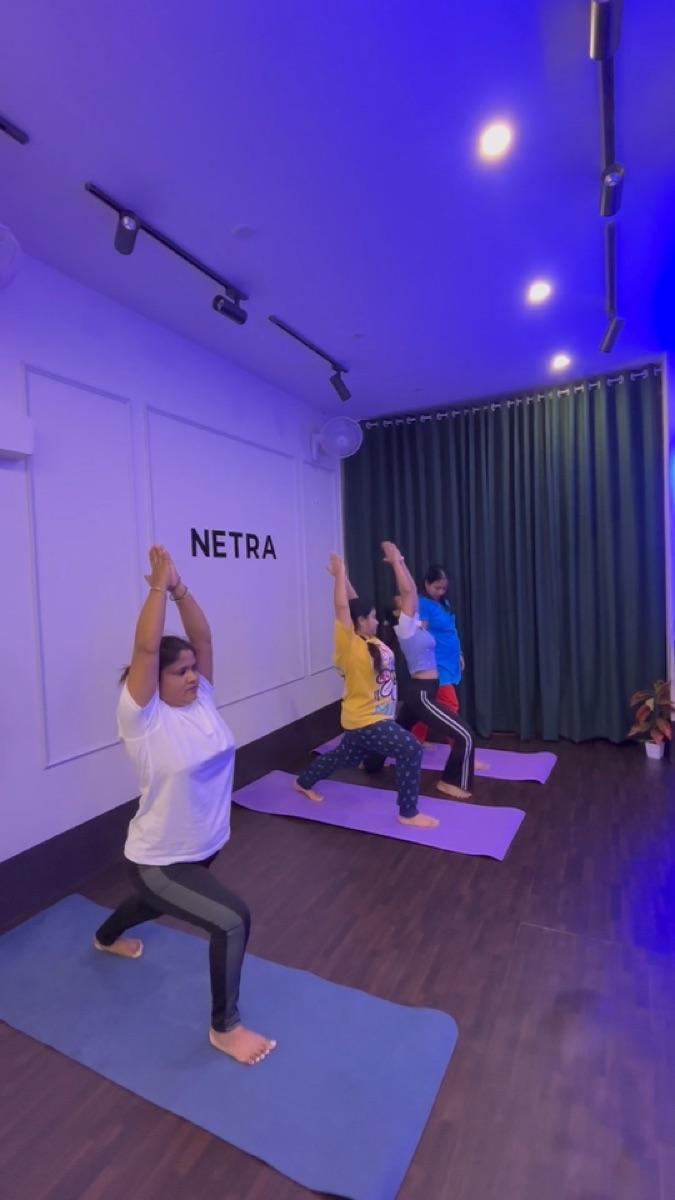
Where does your body need attention?
Tap what sounds like you. We’ll show you why it may be happening, what yoga focuses on and what a beginner practice may look like.
Where you feel it
Long hours sitting
Why it may be happening: Long periods of sitting can leave you feeling tight — especially around the hips, back and shoulders.
How yoga may help: Yoga can bring regular movement, stretching and postural awareness back into your routine.
1What you may be experiencing
- Tight hips
- A stiff back
- Tight shoulders
2What yoga focuses on
- Hip mobility
- Gentle spinal movement
- Shoulder mobility
- Postural awareness
3What a beginner practice may look like
- A breathing and posture check-in
- Hip-opening movements at a comfortable depth
- Spine and shoulder mobility
- Simple movement breaks you can use at your desk
Severe, persistent or worsening pain? Please see a qualified healthcare professional first.
Your body changes with every decade. Is your routine keeping up?
Choose your stage of life to see what’s quietly changing inside your body — and how yoga can support you.
1 in 2
adults in India don’t move enough — more than double the number in 2000.
The Lancet Global Health, 2024
+2%
growth in the brain’s memory centre after a year of regular exercise in older adults.
PNAS, 2011
150 min
of moderate activity a week is the minimum WHO recommends for adults.
World Health Organization
Desk jobs, deadlines and a body that quietly starts keeping score.
!What’s changing in your body
The desk-job body
Long hours of sitting can leave hips tight, the lower back stiff and the neck and shoulders tense.
Muscle starts to slip
From around our 30s, muscle strength and mass tend to decline gradually — faster if we stay inactive.
Stress lives in the body
Constant pressure can show up as shallow breathing, tension headaches, tight shoulders and poor recovery.
Weight & metabolism
With less movement, weight tends to creep up and energy levels can dip through the day.
How yoga can support you
- Mobility for desk bodiesOpening tight hips, freeing the spine and easing neck and shoulder tension.
- Strength & core controlBodyweight postures that build strength and support a healthier back.
- Stress reliefBreath-led movement that can help your body shift out of ‘always on’ mode.
- Sleep routine supportRelaxation practices that may help you switch off at the end of the day.
- Energy through the dayRegular movement that can leave you feeling more alert and less sluggish.
World Health Organization: WHO recommends adults get 150–300 minutes of moderate physical activity a week, plus muscle-strengthening activities on 2 or more days.
Before you start: Pregnant or recently had a baby? Have back problems or high blood pressure? Tell your instructor and check with your doctor first.
Facts come from the World Health Organization and peer-reviewed research. This section is general information, not medical advice — please speak to your doctor about your own health.
Sometimes the problem isn’t just pain. It’s how we move.
Modern life quietly changes how our bodies move. Here’s how it often builds up.
- Hours of sitting
- Less movement
- Stiffness
- Reduced mobility
- More discomfort when you move
- Stress
- Muscle tension
- Poor recovery
- Feeling physically uncomfortable
That’s why yoga isn’t simply “stretching”. A well-designed practice works on mobility, flexibility, strength, balance, breathing and body awareness — together.
- 1Move
- 2Breathe
- 3Control
- 4Strengthen
- 5Recover
- 6Grow
Yoga isn’t about forcing your body into difficult poses. It’s about learning how your body moves — and helping it move better over time.
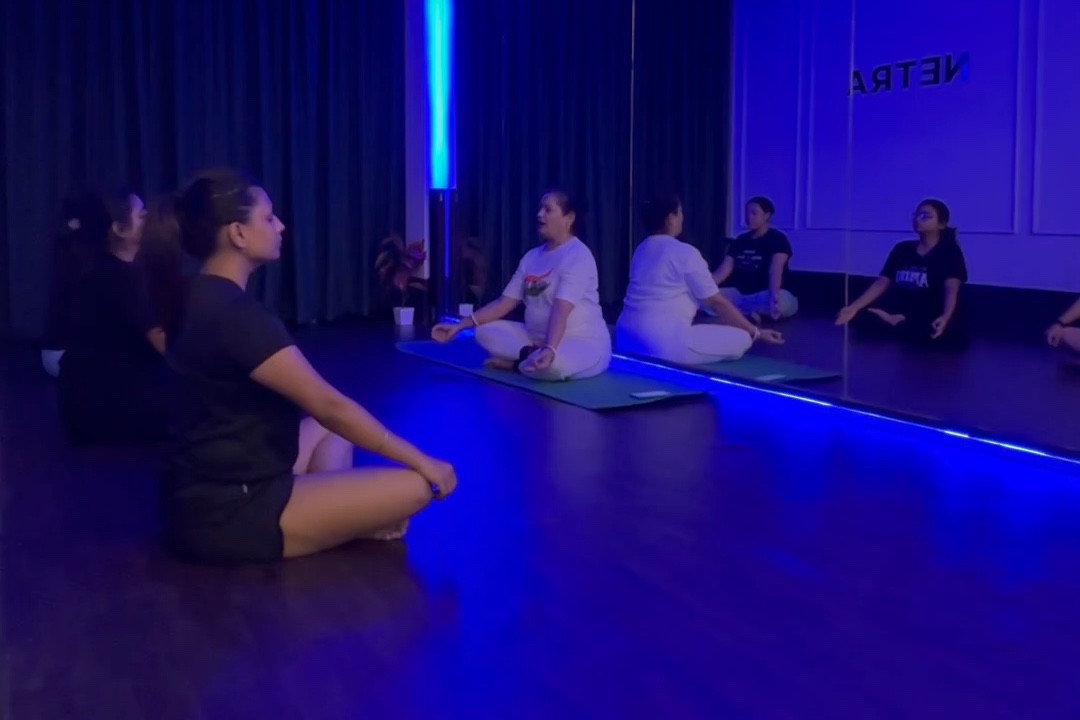
Honest by design
Yoga is not a magic cure. And we don’t pretend it is.
Yoga can be a powerful part of a healthy lifestyle — but every body is different.
The right practice depends on your age, fitness level, mobility, previous injuries and individual needs. At Netra, the goal is not to force your body into a pose.
The goal is to help you understand your body — and gradually improve how you move.
If you have severe, persistent, worsening or unexplained pain, an injury or a medical condition, please consult a qualified healthcare professional before beginning or changing an exercise programme.
Real classes · Real students
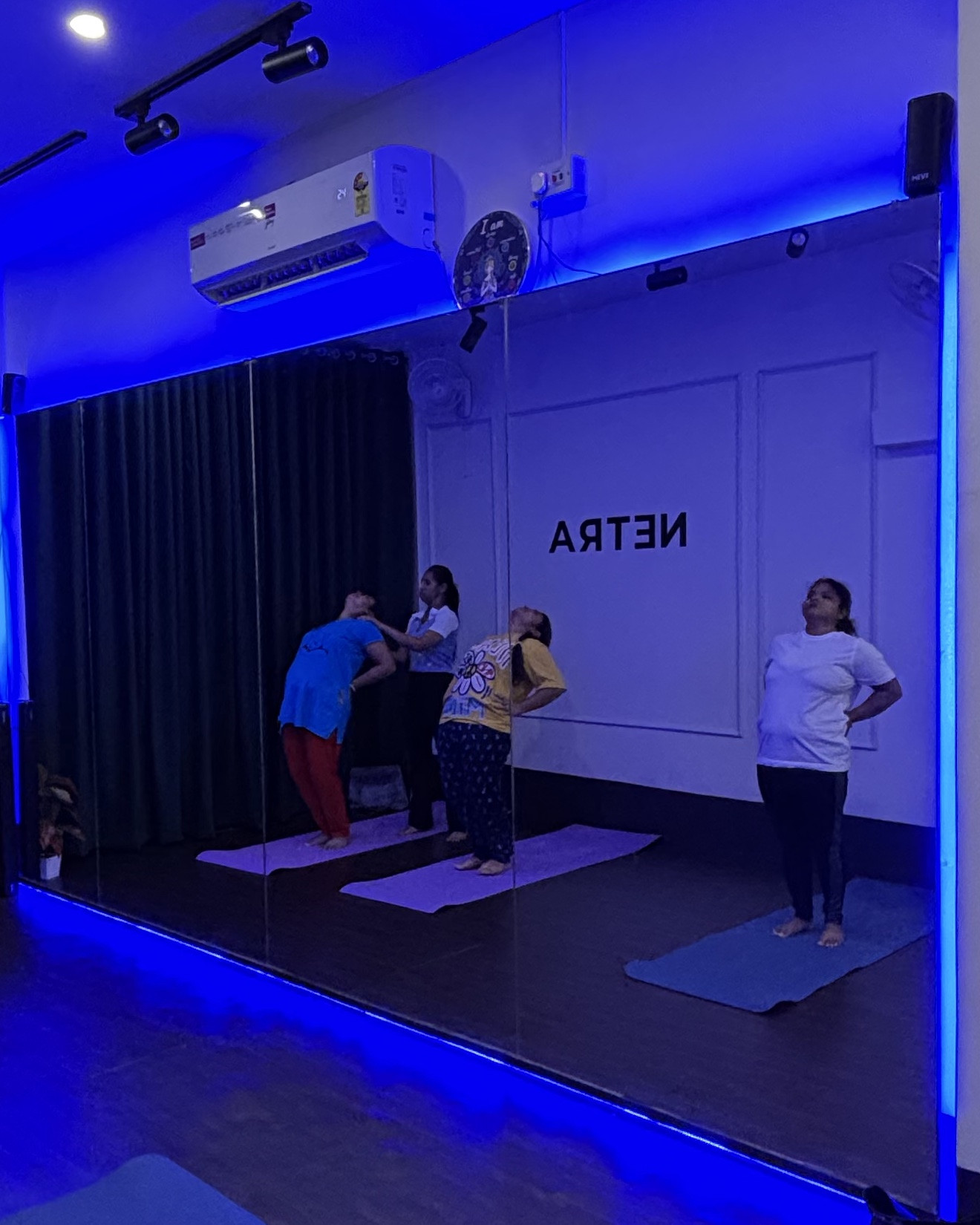
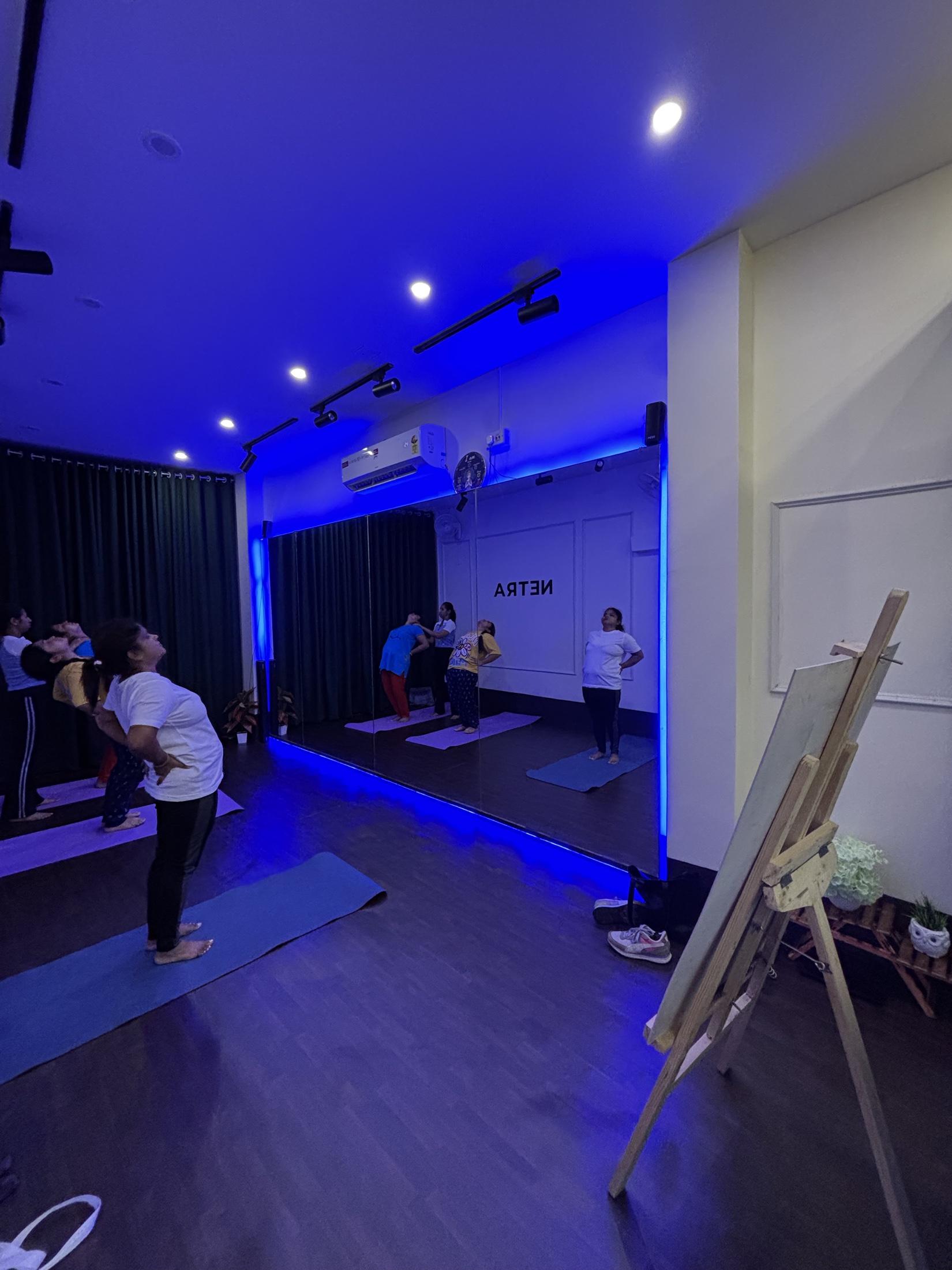
This is what yoga looks like at Netra.
No studio models, no impossible poses. Just real people from our neighbourhood, a calm space and a teacher who guides every breath and every movement.
- A calm, softly lit studio
- Guided breathing and relaxation
- Movement at your own level
- Beginners always welcome
Tap play to watch a moment from a real class.
Yoga isn’t one pose. It’s a practice.
 A class at Netra
Flexibility
Gradually improve your comfortable range of movement.
Inside your body: Muscles and connective tissue slowly get used to lengthening a little further.
Mobility
Help your joints move through controlled ranges.
Inside your body: Moving a joint through its range keeps the movement familiar and easier.
Strength
Build strength through controlled bodyweight positions.
Inside your body: Holding a posture asks muscles to support you — building strength and control.
Balance
Improve stability and body awareness.
Inside your body: Your brain, eyes, inner ear and muscles practise working together to keep you steady.
Breathing
Learn to coordinate breath with movement.
Inside your body: Slow, steady breathing can help your body shift towards a calmer state.
Mindfulness
Create moments of awareness and calm.
Inside your body: Paying attention to how you feel helps you notice tension before it builds.
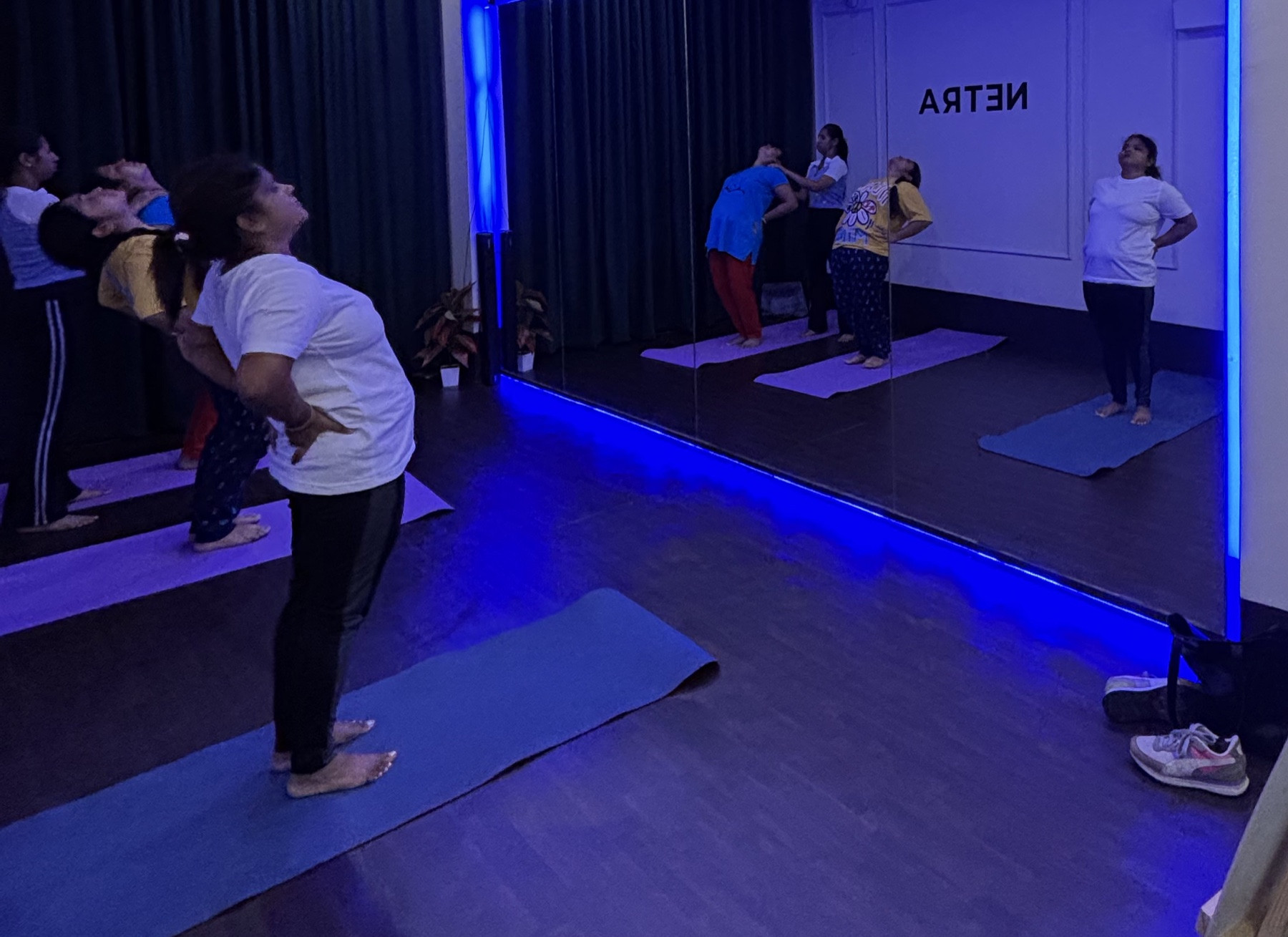
For beginners
Never done yoga before? That’s exactly where you can start.
You don’t need to
- Touch your toes
- Be flexible
- Know complicated poses
- Have a fitness background
You simply need to start.
Your first class
- Learn
- Adjust
- Practice
- Breathe
- Improve
Your body isn’t like everyone else’s. Your practice shouldn’t be either.
Two people in the same class can need completely different things — one needs mobility, another flexibility, another balance, another simply a consistent routine. That’s why you’re encouraged to work at your level and modify movements when needed.
Your starting point
- Mobility
- Flexibility
- Strength
- Balance
- Experience
Your practice
- Guided movement
- Breathing
- Modifications
- Consistency
Your progress
- Better control
- Better mobility
- Greater confidence
- A stronger practice
The goal isn’t just to look better in a yoga class.
It’s to move better outside it.
- Walking
- Sitting & standing
- Getting up after rest
- Everyday movement
- Physical activity
- Relaxation
- Working at a desk
Yoga becomes meaningful when the benefits follow you outside the studio.
Wherever you are starting from
Complete beginner
Start with the fundamentals.
Desk professional
Mobility, posture awareness and movement breaks.
Adults looking for gentle movement
Controlled, appropriate movement at a comfortable pace.
Active people
Mobility, flexibility and recovery-focused practice.
Wellness seekers
Movement, breathing and mindful practice.
Living with a medical condition? Speak to your doctor first, and tell your instructor before class.
Feel the difference. Track the journey.
A progress-focused approach can help you understand your journey — where you started, what’s improving and what to work on next.
- 1Start
- 2Baseline
- 3Practice
- 4Check-in
- 5Progress
- 6Next goal
- Flexibility
- Mobility
- Balance
- Strength
- Consistency
- Personal goals
What science says about yoga
Less pain, less stress, better sleep — real findings from medical journals, explained simply.
12 weeks
of weekly yoga classes helped people with long-term low-back pain as much as physiotherapy — and the benefits were still there a year later.
Annals of Internal Medicine (320 adults), 2017Read the study (opens in a new tab)42 studies
Yoga was linked with lower cortisol (the stress hormone), lower blood pressure and a calmer resting heart rate.
Psychoneuroendocrinology (meta-analysis), 2017Read the study (opens in a new tab)16 trials
Yoga improved sleep quality in women with sleep problems.
BMC Psychiatry (meta-analysis), 2020Read the study (opens in a new tab)218 trials
Walking or jogging, yoga and strength training were among the best exercises for easing depression — and yoga was one of the easiest to stick with.
The BMJ (14,170 people), 2024Read the study (opens in a new tab)60+
Yoga improved balance and made everyday movement easier for people aged 60 and over.
Age and Ageing (systematic review), 2016Read the study (opens in a new tab)~24%
lower blood sugar after meals when people got up for 2 minutes of light walking every 20 minutes, instead of sitting non-stop.
A small study in adults aged 45–65 — a simple reminder that small movement breaks count.
Diabetes Care, 2012Read the study (opens in a new tab)
We share the source for every number so you can read it yourself. Our job is to help you understand your body — not to sell you a promise.
Before your first yoga class
A few simple things that make your first session safer, easier and more enjoyable.
- Practise on a light stomachLeave 2–3 hours after a heavy meal, or about an hour after a light snack.
- Wear stretchy, comfortable clothesSomething you can bend and move in freely. Yoga is practised barefoot.
- Bring a mat and waterUse your own mat if you have one — ask us if you don’t.
- Tell your instructorMention any injury, surgery, pregnancy, blood-pressure or back problem before class.
- Never force a stretchA gentle pull is fine. Pain is not — ease off and ask for an easier version.
- Keep breathingDon’t hold your breath. Slow, steady breathing sets the right pace for your body.
Listen to your body
Stop, rest and tell your instructor if you feel:
- Sharp, shooting or sudden pain
- Dizziness or feeling faint
- Numbness or tingling in your arms or legs
- Neck or back pain that gets worse
- Chest pain or unusual breathlessness
If symptoms like chest pain or severe breathlessness don’t settle quickly with rest, seek medical help straight away.
Yoga questions, answered
Is yoga only for flexible people?
No. Yoga can be practised at many levels — you start from your current ability.
Can yoga help with joint stiffness?
Appropriately chosen movement may help maintain mobility and reduce feelings of stiffness for some people. Persistent or severe joint pain should be evaluated by a healthcare professional.
Can yoga help with back discomfort?
Yoga may help some people with certain types of low-back discomfort, but it isn’t right for every cause of back pain. Persistent, severe or unexplained symptoms should be medically assessed.
Can yoga help with stress?
Yoga combines physical movement, breathing and focused attention, which can support relaxation and wellbeing.
How long before I become flexible?
There’s no fixed timeline. Flexibility varies between people and usually develops gradually with consistent practice.
Can complete beginners join?
Yes — beginners are very welcome.
What should I wear?
Comfortable clothing that lets you move freely.
What if I have an old injury?
Tell your instructor before class. Depending on the injury, you may need modifications or medical clearance first.
Your body carries you through everything.
Give it the movement, attention and care it deserves.
Start where you are.
Move at your pace.
Grow with practice.