Netra Zumba
Don’t just dance. Get fitter.
A high-energy Zumba workout designed to help you move more, build stamina, improve coordination and work towards your fitness goals — one class at a time.
Beginner friendly • Guided sessions • Progress focused
We don’t just run a class — we explain what your body is doing and why, so you can keep moving for life.
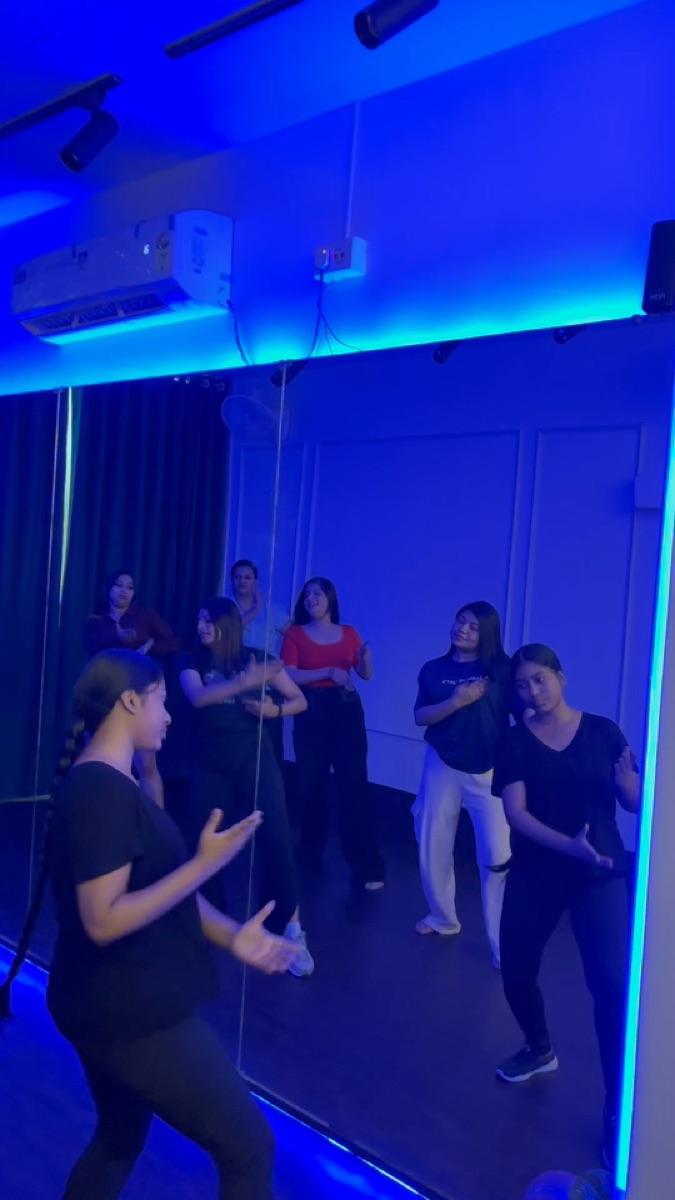
- 1Start
- 2Learn
- 3Move
- 4Improve
- 5Track
- 6Grow
“What will actually change if I join?”
Nobody joins a fitness class just to attend classes. You join because you want to feel different. Here’s what regular Zumba can help you work towards.
More active
Turn regular movement into an enjoyable routine.
Better fitness
Build cardiovascular endurance, stamina and overall physical conditioning.
Better mobility
Regular movement can support flexibility, coordination and body control.
More energy
Consistent physical activity can help improve your overall energy through the day.
A healthier routine
Create a sustainable habit instead of relying on short bursts of motivation.
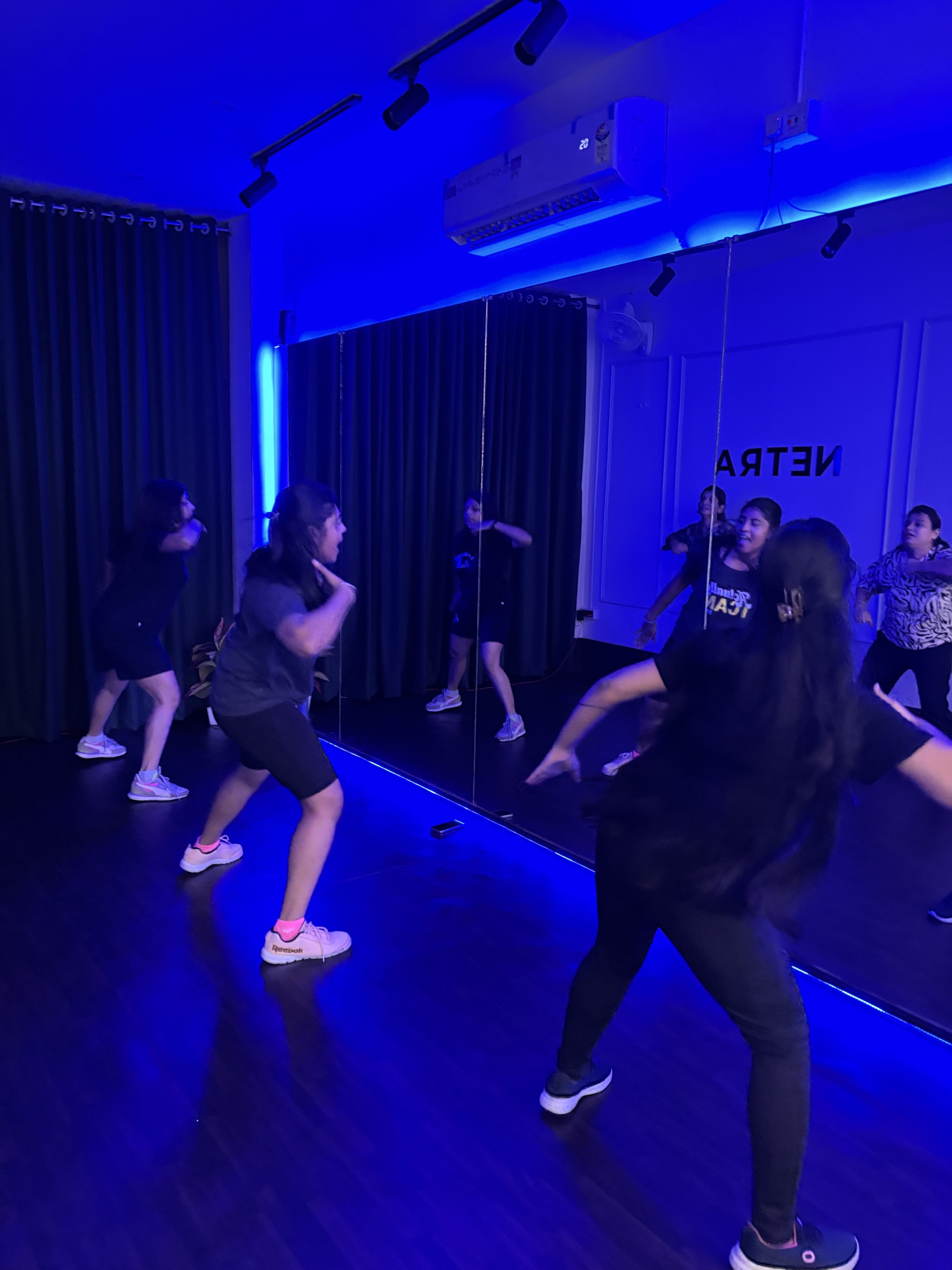
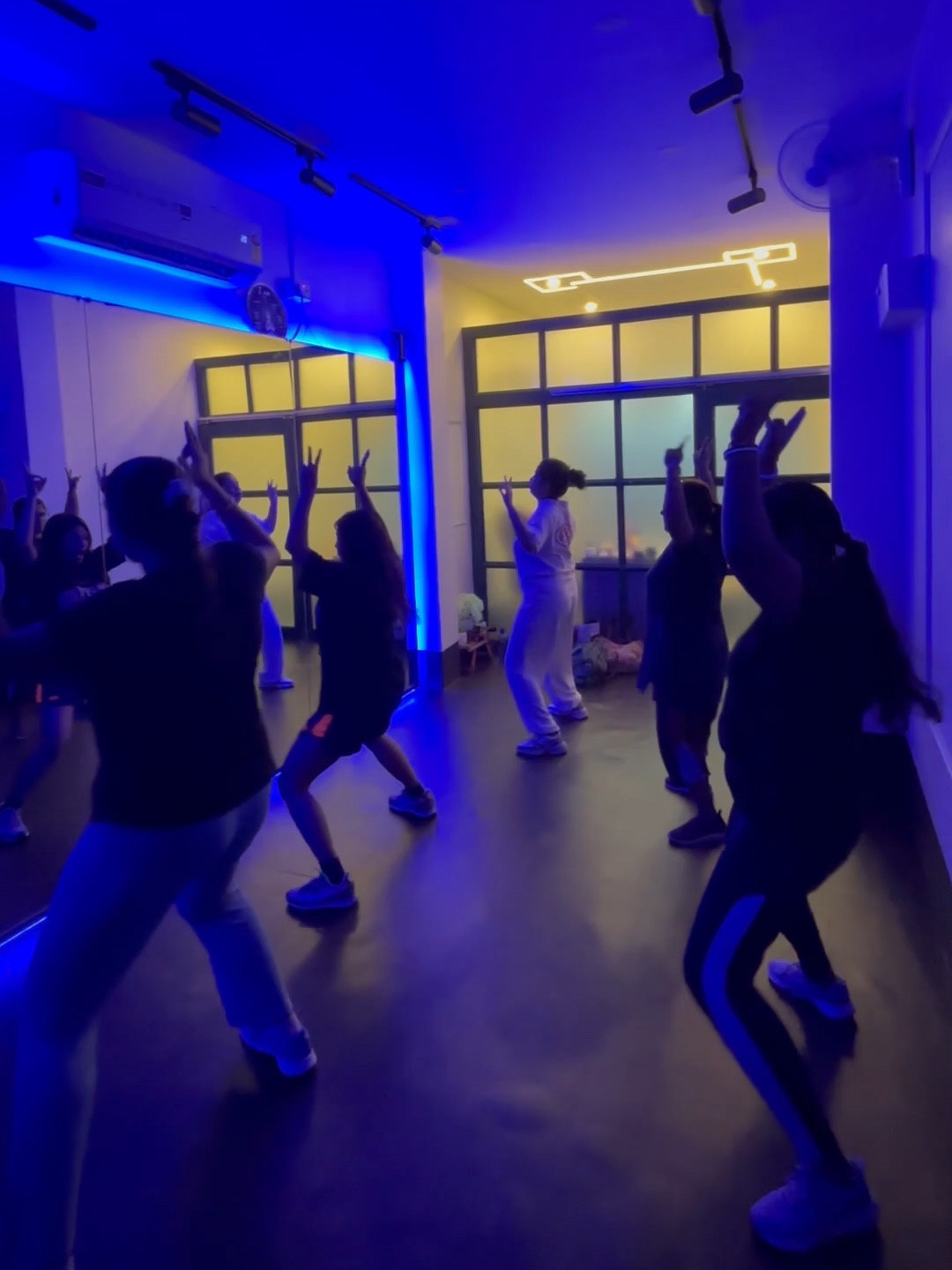
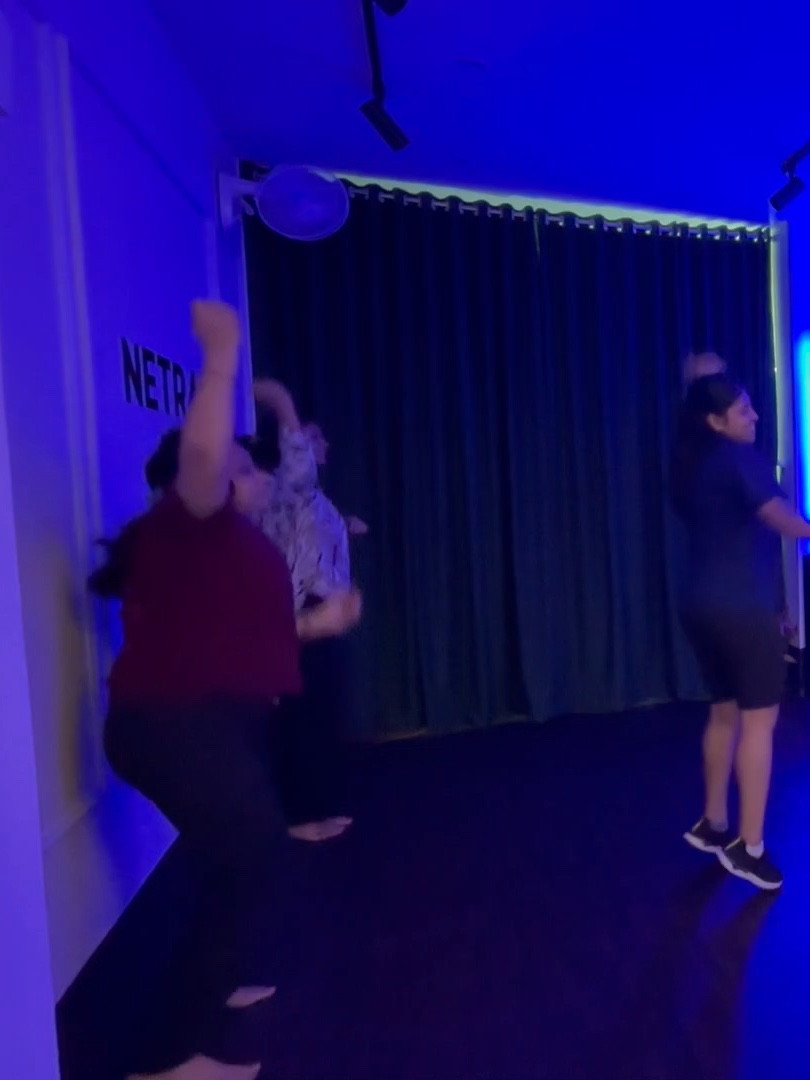
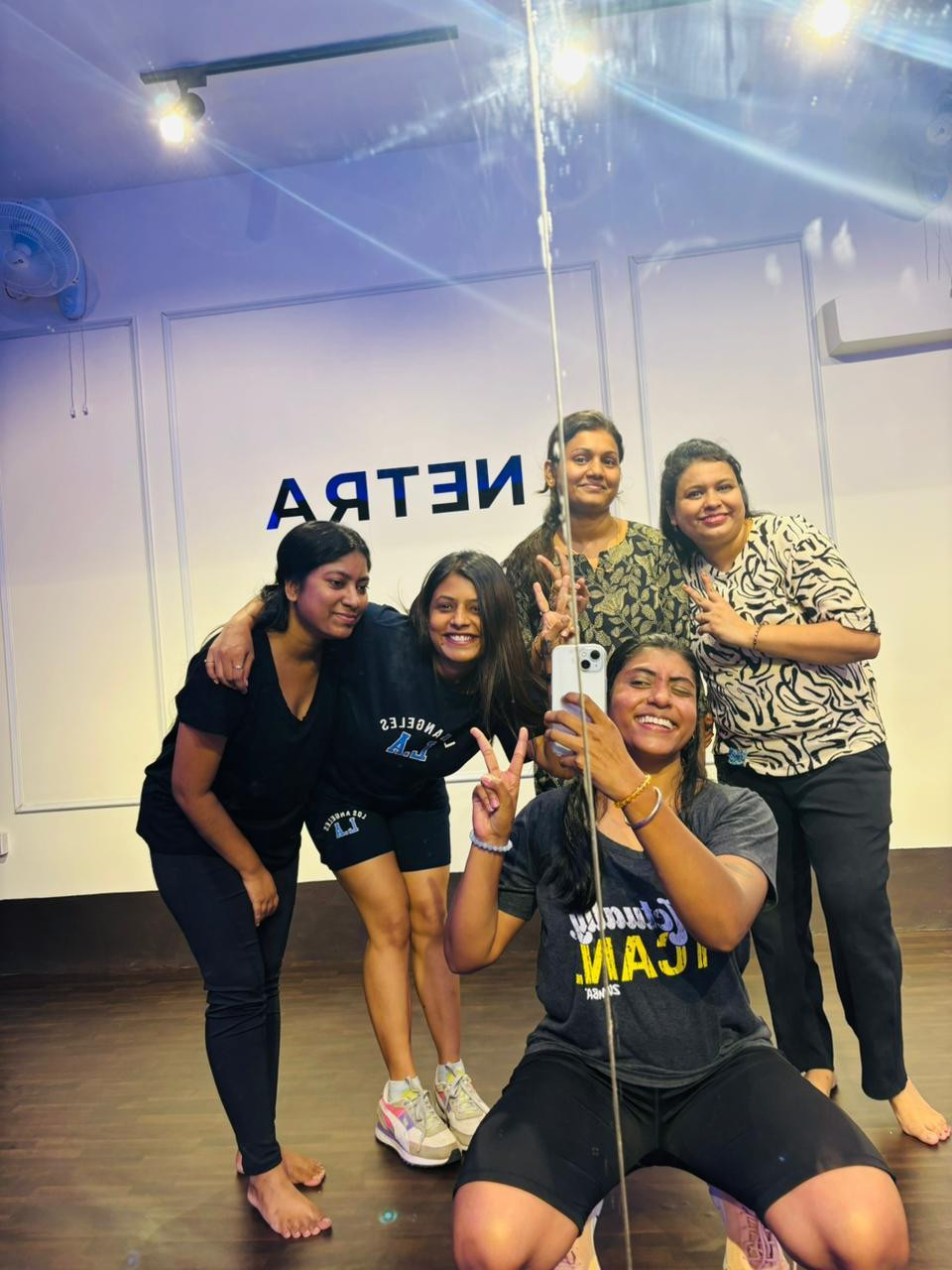
Real classes · Real people · At Netra
What regular Zumba does inside your body
Explained simply — what actually happens in your body when you keep moving, class after class, and what you may start to notice.
Heart & lungs
Cardiovascular fitness
What happens inside
When you dance, your muscles ask for more oxygen. Your heart beats faster and your lungs breathe deeper to deliver it. Practised regularly, this aerobic training can help your heart pump more blood with every beat and your body use oxygen more efficiently.
You may notice: Stairs and brisk walks leave you less out of breath.
Metabolism
Energy expenditure
What happens inside
Moving continuously to music makes your muscles burn fuel — carbohydrates and fat — for energy. Each session adds to the total energy your body uses in a day.
You may notice: Alongside balanced eating, it supports your body-composition goals.
Muscles
Muscular endurance
What happens inside
Repeating steps again and again trains your muscle fibres to keep working for longer before they tire. Over time, muscles can get better at using oxygen and handling fatigue.
You may notice: You get through more of a routine before your legs feel heavy.
Legs, hips & core
Lower-body strength & control
What happens inside
Squats, lunges, steps and hip movements repeatedly work your thighs, glutes, calves and core — the muscles that hold your posture and keep you balanced.
You may notice: More stability and control in everyday movement.
Brain & nerves
Coordination
What happens inside
Following music and choreography makes your brain and body work as a team — catching the rhythm, remembering the steps and signalling the right muscles at the right moment.
You may notice: You pick up new steps faster and feel more in control of your body.
Whole body
Stamina
What happens inside
With consistent aerobic exercise, your heart, lungs and muscles adapt together, so your body can keep going for longer at the same effort.
You may notice: A full class feels easier than your very first one did.
Mind
Mood & stress
What happens inside
Physical activity prompts your brain to release feel-good chemicals such as endorphins, and can help ease feelings of stress. Music and the energy of the group add to the lift.
You may notice: You leave class lighter, calmer and happier.
Body weight
Weight management
What happens inside
Body weight depends largely on the balance between the energy you take in and the energy you use. Regular activity increases the energy you use — while food, sleep and daily movement matter just as much.
You may notice: Gradual, sustainable change — not overnight results.
This is general information to help you understand exercise — not medical advice. Everyone’s body responds differently. If you have a health condition, are pregnant or are returning after an injury, please check with your doctor before you start.
What happens when you keep moving
Better mood, more energy, a sharper brain — here’s what researchers around the world have found.
1 in 2
Nearly half of adults in India (49.4%) don’t move enough — more than double the number in 2000. For women, it’s 57%.
The Lancet Global Health (WHO-led study of 5.7 million people), 2024Read the study (opens in a new tab)43%
fewer ‘bad mental health’ days each month for people who exercised. The sweet spot was about 45 minutes, 3–5 times a week — and group activities did especially well.
A survey of 1.2 million people — it shows a strong link, not proof of cause.
The Lancet Psychiatry, 2018Read the study (opens in a new tab)65%
less tiredness for inactive adults who felt tired all the time — after just 20 minutes of light exercise, 3 times a week, for 6 weeks. Their energy went up by 20%.
A small study (36 people), but a hopeful one: feeling tired is often a reason to move, not to rest.
Psychotherapy and Psychosomatics (University of Georgia), 2008Read the study (opens in a new tab)26%
less stress for people who joined a group fitness class for 12 weeks. People who worked out alone saw no real change in stress.
A small study of medical students — but it shows why working out together feels different.
Journal of the American Osteopathic Association, 2017Read the study (opens in a new tab)Stamina ↑
A review of Zumba® studies found it may improve your aerobic fitness — how well your heart and lungs keep you going.
The same review found no clear proof that Zumba alone reduces body fat. That’s why food, sleep and consistency matter too.
Int. Journal of Environmental Research and Public Health (meta-analysis), 2020Read the study (opens in a new tab)18 months
of learning new dance routines helped the brain’s memory areas grow in older adults — and, unlike repetitive gym training, it also improved their balance.
Frontiers in Human Neuroscience, 2017Read the study (opens in a new tab)
We share the source for every number so you can read it yourself. Our job is to help you understand your body — not to sell you a promise.
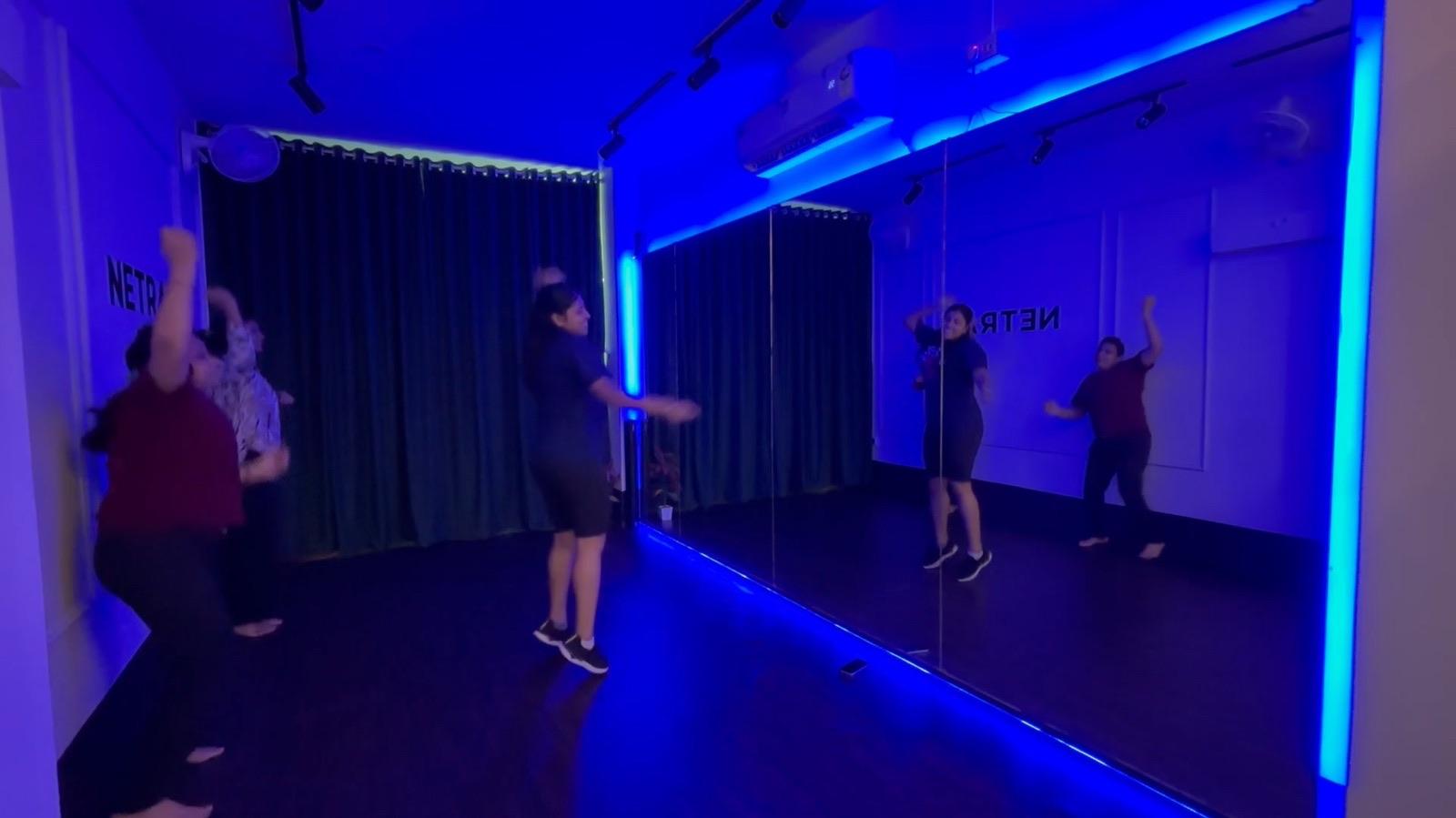
Inside a Netra class
Real classes. Real energy. Every week.
Want to lose weight? Let’s talk honestly.
Zumba can contribute to weight management because it’s physical activity that increases the energy you use. But no workout can guarantee a specific amount of weight loss.
Your results are influenced by
- Workout consistencyHow regularly you participate.
- NutritionWhat and how much you eat matters significantly.
- Daily activityWalking and movement outside the studio.
- Sleep & recoveryYour body needs adequate rest to adapt.
- Starting pointEveryone’s body and fitness level is different.
At Netra, we focus on
What you can control
- Attend consistently
- Improve your fitness gradually
- Move more
- Build sustainable habits
- Track your progress
- Make better lifestyle choices
But I’m a beginner…
Never done Zumba before? Perfect.
- You don’t need dance experience.
- You don’t need to be flexible.
- You don’t need to be “fit” before you start.
You simply need to be willing to begin.
Your instructor demonstrates every movement, guides the class and shows easier options whenever you need them.
I’m Ready to Start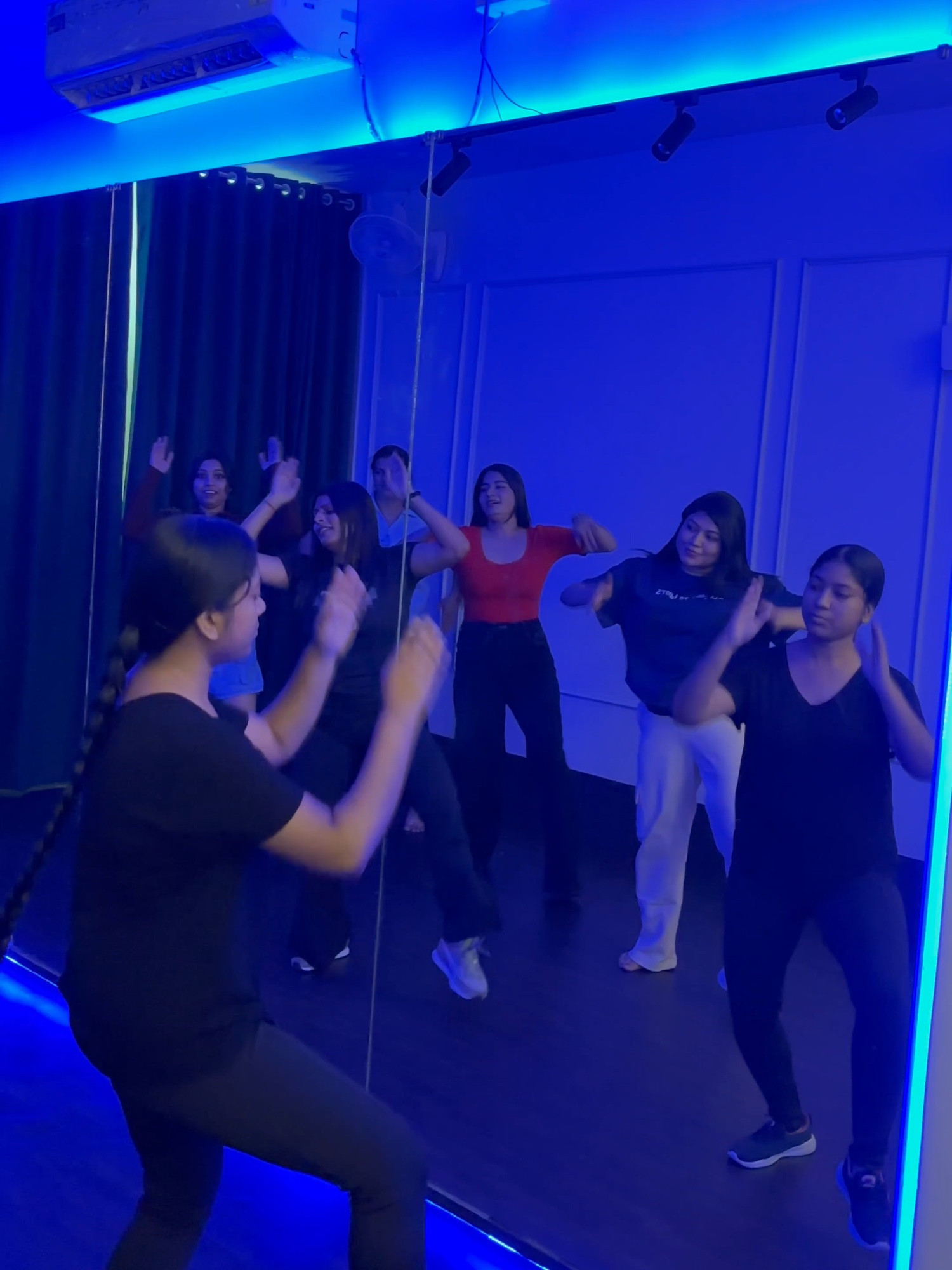 Your instructor leads every move
- 01First classUnderstand the basics.
- 02First monthBuild consistency.
- 03Long termBuild fitness and confidence.
Why Netra Zumba?
Not just a dance workout — a guided fitness journey.
Guided by an instructor
You aren’t left to figure out the workout yourself.
Progress-focused
The goal isn’t simply attendance. It’s gradual improvement.
Group energy
Working out together makes exercise more engaging and enjoyable.
Beginner friendly
Start from your current fitness level — wherever that is.
Goal oriented
Stamina, fitness, confidence or weight management — your journey starts where you are.
Don’t guess your progress. See it.
Simple, honest markers you can watch improve over time — so you always know how far you’ve come and what’s next.
- 01
Starting point
- Fitness level
- Consistency
- Stamina
- Movement confidence
- Personal goal
- 02
Progress
- Classes attended
- Workout consistency
- Stamina improvement
- Movement confidence
- Personal milestones
- 03
Next goal
- Build more stamina
- Increase consistency
- Improve fitness
- Continue healthy weight management
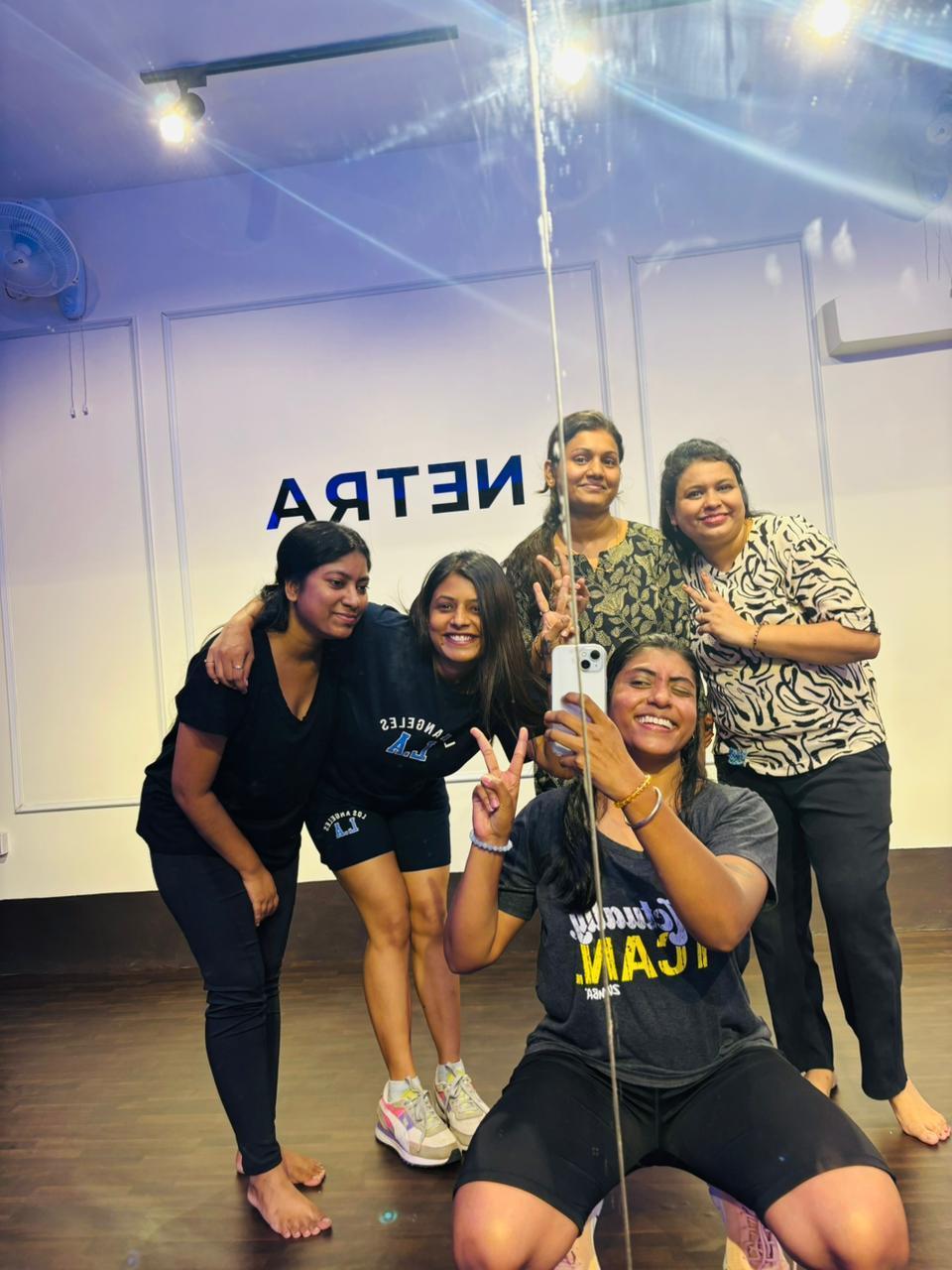
Realistic expectations
No fake promises. Just real progress.
We won’t tell you that you’ll lose 5 kg in 10 days.
Your results depend on your body, nutrition, activity, sleep, consistency and starting point.
What we can promise
- A place to start.
- A coach to guide you.
- A routine to follow.
- And a community that keeps you moving.
Zumba at Netra is for you if…
- You want to become more active
- You want to improve your stamina
- You want a fun alternative to traditional workouts
- You want to work towards healthy weight management
- You want to build a consistent fitness routine
- You’re returning to exercise after a long break
- You prefer working out in a group
- You’re a complete beginner
What a class feels like
Every session follows a simple, safe structure — so you always know what’s coming next.
- 01Warm upPrepare your body for movement.
- 02Dance fitnessFollow energetic routines designed to keep you moving.
- 03Higher-energy blocksWork at an intensity that suits your fitness level.
- 04Cool downBring your heart rate down gradually with recovery-focused movement.
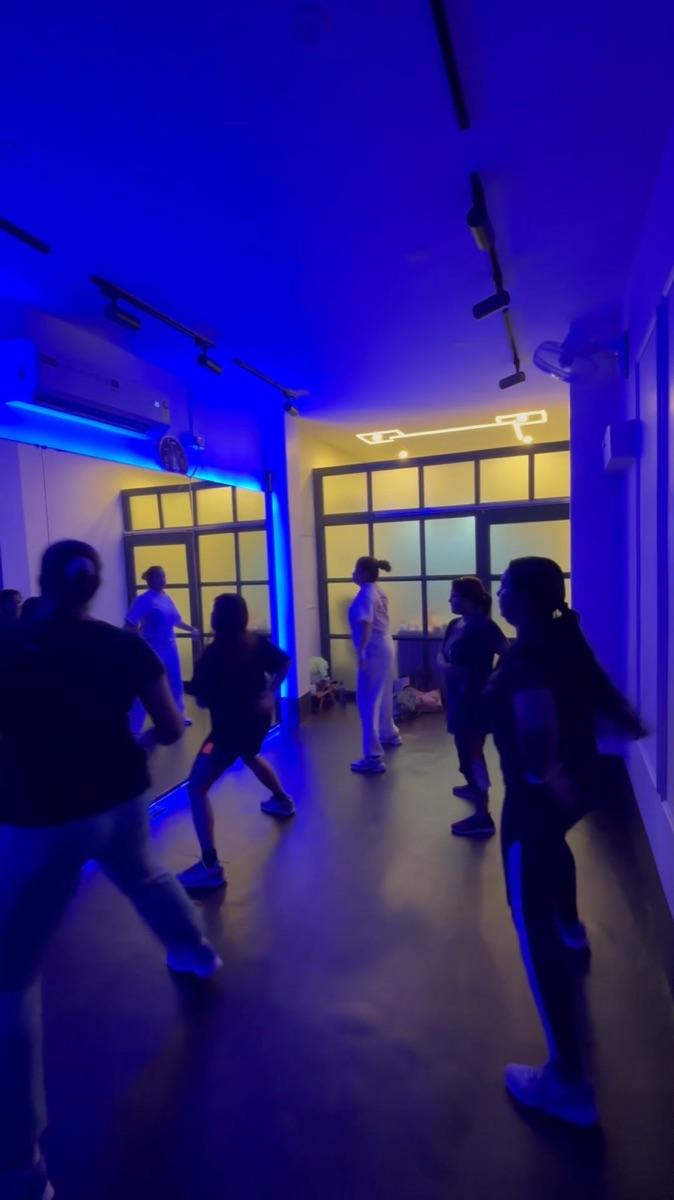 Inside a Netra class
Before your first Zumba class
A few simple things that make your first session safer, easier and more enjoyable.
- Wear comfortable clothesBreathable clothing and supportive sports shoes that grip the floor without sticking.
- Eat lightA light snack 1–2 hours before is ideal. Avoid a heavy meal right before class.
- Bring waterCarry a bottle and take small sips whenever you need to.
- Come 10 minutes earlyMeet your instructor and mention any injury, health condition or pregnancy.
- Go at your own paceTake the low-impact version of any step. You never have to keep up with anyone.
- Stay for the cool-downThe slow stretch at the end helps your heart rate settle and your body recover.
Listen to your body
Stop, rest and tell your instructor if you feel:
- Chest pain, tightness or pressure
- Dizziness or feeling faint
- Unusual shortness of breath
- Sharp or sudden pain in a joint or muscle
- Nausea
If symptoms like chest pain or severe breathlessness don’t settle quickly with rest, seek medical help straight away.
Zumba questions, answered
Do I need dance experience?
No. Zumba is about following movements and music — not professional dance ability.
Can beginners join?
Yes. Beginners can start at their own pace, and the instructor shows easier options whenever you need them.
Will Zumba help me lose weight?
It can contribute to weight management by increasing your physical activity and energy expenditure. But weight loss depends on your overall calorie balance, nutrition, sleep, daily activity and individual factors — no workout can guarantee a specific result.
How many classes should I attend?
There’s no one-size-fits-all number. Start with a routine you can keep up comfortably, attend consistently and build up gradually as your fitness improves. Your instructor can help you find the right rhythm.
When will I see results?
There’s no universal timeline — fitness adapts differently for everyone. Consistency over weeks and months matters far more than expecting dramatic changes after a few sessions.
Do I need special clothes?
Wear comfortable clothes that let you move freely, and supportive footwear suitable for the class.
What if I can’t keep up?
That’s completely okay. Start at your own pace and build gradually — everyone in the room started somewhere.
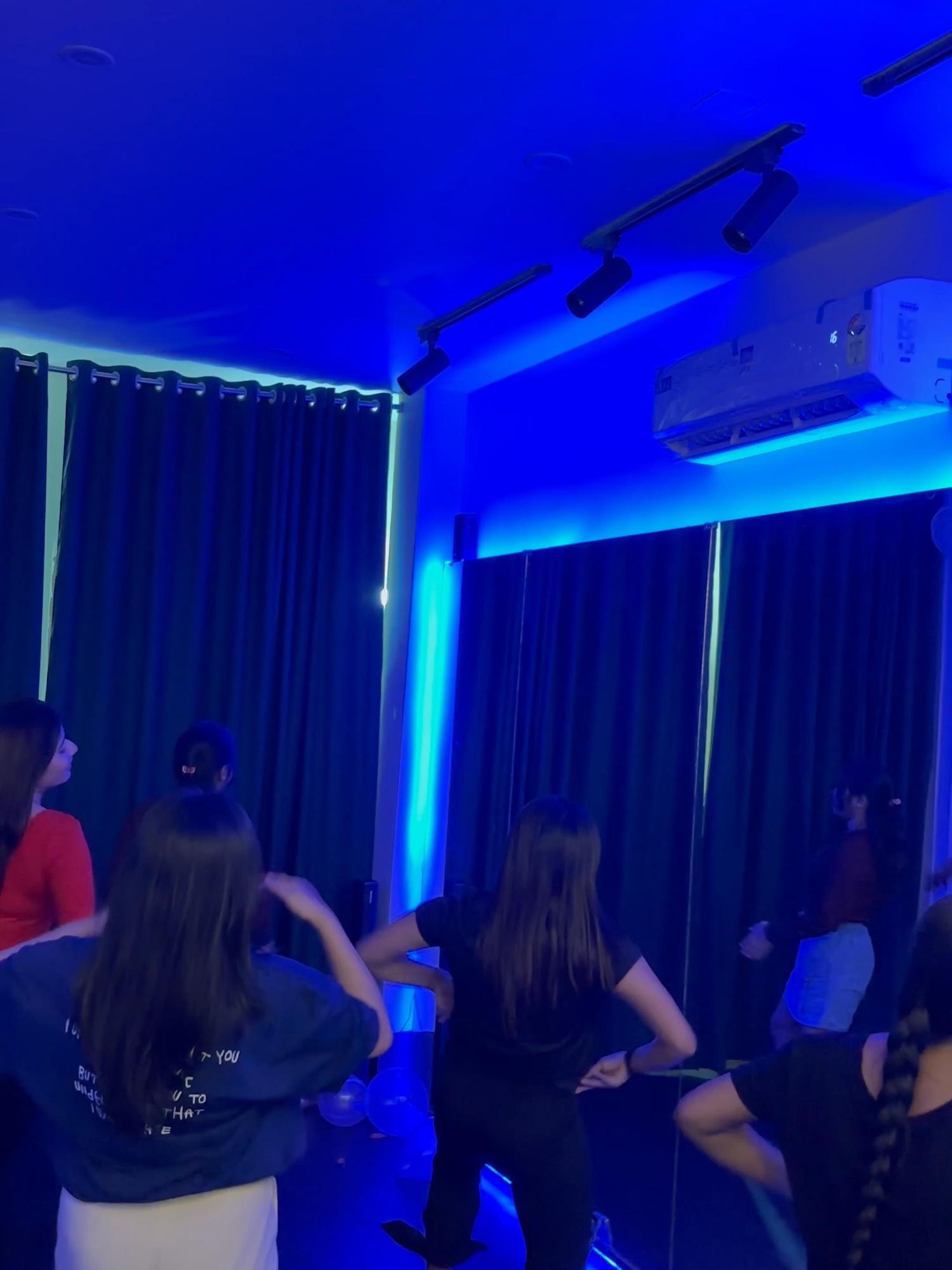
Your body doesn’t need another Monday plan.
It needs a habit you can actually stick with.
One class. One step.
One healthier routine at a time.
“I don’t need to become fit before joining Netra. Netra is where I start becoming fitter.”